Luxury has always been a language people use to communicate value, status, identity, and aspiration.
Historically, luxury was expressed in grand gestures: opulent villas, loud automobiles, glamorous parties, designer labels, Michelin-starred dining, glittering façades. But a quiet revolution is underway, particularly in megacities like Lagos. Here, amidst a confluence of culture, creativity, and everyday complexity, luxury is shifting from spectacle to serenity. It is moving from ostentatious displays to intimate spaces of calm: residents that offer restoration, clarity, and meaning.
This new language of luxury is not merely aesthetic; it is psychological, cultural, and deeply human.
In this article, we will explore why luxury residents in Lagos matter more than grand gestures, how this reflects broader social and economic trends, and what it reveals about the evolving nature of luxury itself.
What Luxury Used to Mean and Why It’s Changing
Traditional luxury has long been defined by visibility. Luxurious objects and experiences were loud by design; they announced success and status to the world. Think of the sleek sports car cruising down Victoria Island, a sprawling mansion in Banana Island, or a private jet jetting between destinations. These symbols are historically rooted in scarcity and exclusivity. They answer questions like, Who has it? How much does it cost? How rare is it?
But real luxury, the kind that transforms lives, is no longer satisfied with that definition.
Several forces drive this shift, some of which include:
1. Emotional Saturation
We have reached a cultural moment where the accumulation of properties does not guarantee fulfilment. People increasingly recognise that material equality means status goods no longer differentiate us the way they once did, but peace of mind still does.
2. Global Awareness of Wellness
The global wellness economy reflects a broader reorientation toward mental and emotional health. This movement is not superficial; it is rather rooted in data showing that stress and burnout have tangible impacts on human well-being.
3. Urbanisation & Overload
Megacities like Lagos are dynamic, creative, and resilient but also dense, noisy, chaotic, and unpredictable. In such environments, quiet becomes rare and therefore valuable.
4. A Shift Toward Experience
Younger generations increasingly value experiences over material goods. A quiet morning in a serene garden can outweigh the thrill of a luxury brand purchase. Experiences become the true currency of meaning.
Lagos: A Portrait of Paradox and Potential
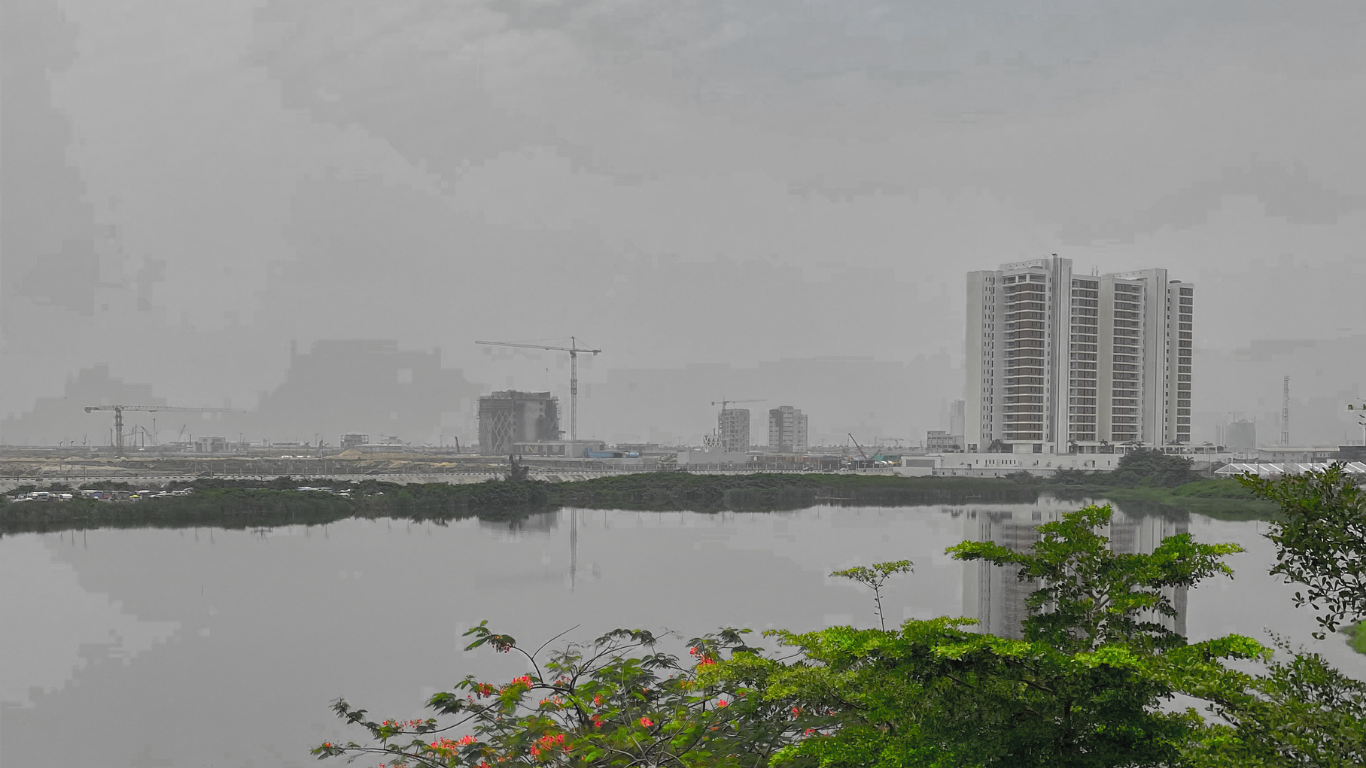
Lagos is both exhilarating and exhausting. It is a city of contrasts: relentless energy and painful gridlock, vibrant creativity and stark inequality, booming commerce and fragile infrastructure. For many residents, navigating daily life requires adaptability and endurance. In an urban context where stimulation is constant, honking traffic, noisy markets, crowded spaces, any opportunity for quiet becomes unexpectedly precious.
In Lagos, luxury is finding an accommodation where one can hear one’s own thoughts, breathe freely, and disconnect from a relentless flow of stimuli.
Lagos’s New Luxury: Quiet Retreats
“Retreat” here does not imply seclusion from life’s realities, but intentional withdrawal from constant demand. These retreats can take many forms: wellness spaces offering meditation, yoga, and therapeutic environments, private gardens and hidden courtyards tucked away from Lagos traffic, stylish yet simple guesthouses that prioritise calm design and privacy, co-working sanctuaries that combine productivity with peaceful ambience, weekend escapes in nearby coastal or forested areas.
Unlike traditional luxury hotels or resorts, these retreats are defined less by extravagance and more by restorative intentionality.
The Psychology of Quiet
Why does quiet matter? Beyond mere absence of noise, quiet residents activate psychological processes essential for well-being. This includes:
a) Cognitive Restoration
Constant stimulation taxes our attention. Quiet spaces allow the brain to recover, leading to better focus, creativity, and emotional regulation.
b) Emotional Equilibrium
Silence can facilitate self-reflection, an opportunity to process emotions, reduce anxiety, and cultivate mindfulness.
c) Physical Calm
Quiet environments lower stress hormones, slow heart rates, and improve sleep quality, as well as all critical health factors.
d) Deeper Connection
In quiet settings, people connect more authentically with themselves and others. Conversations are slower, intentionality is heightened, and presence is prioritised.
In Lagos, where life is vibrant but often overwhelming, access to these psychological benefits elevates certain places into a new category of luxury.
Quiet Retreats as Cultural Expression
Luxury is not only psychological, but it is also cultural. Lagos is a centre of culture, art, music, and enterprise.
Many creatives, entrepreneurs, and leaders in Lagos seek out quiet spaces not to escape life, but to fuel deeper engagement with their work. A novelist may find clarity in the hush of a garden; a startup founder may map strategy in a peaceful guesthouse on the lagoon; a musician may compose in an open courtyard at dawn. This way, quiet retreats become engines of Lagos’s creative economy, not as attractions, but as incubators of ideas.
Beyond Place: The Symbolism of Quiet Luxury
Quiet retreats in Lagos matter because they signify something profound about contemporary values:
- Intentional Living: Choosing quiet says, “I value experience over image.” It says one prioritises emotional richness over social spectacle.
- Curated Attention: In a world of constant notifications, quiet luxury reflects mastery over one’s focus. It says, “I choose what deserves my attention.”
- Authentic Connection: Quiet spaces foster deeper relationships, a luxury in a culture saturated with performative interaction.
- Sustainable Wellbeing: Grand gestures can be fleeting; well-being rooted in peaceful practices is enduring.
This symbolism is powerful because it taps into universal human needs needs That material display cannot satisfy.
Examples of Quiet Luxury in Lagos
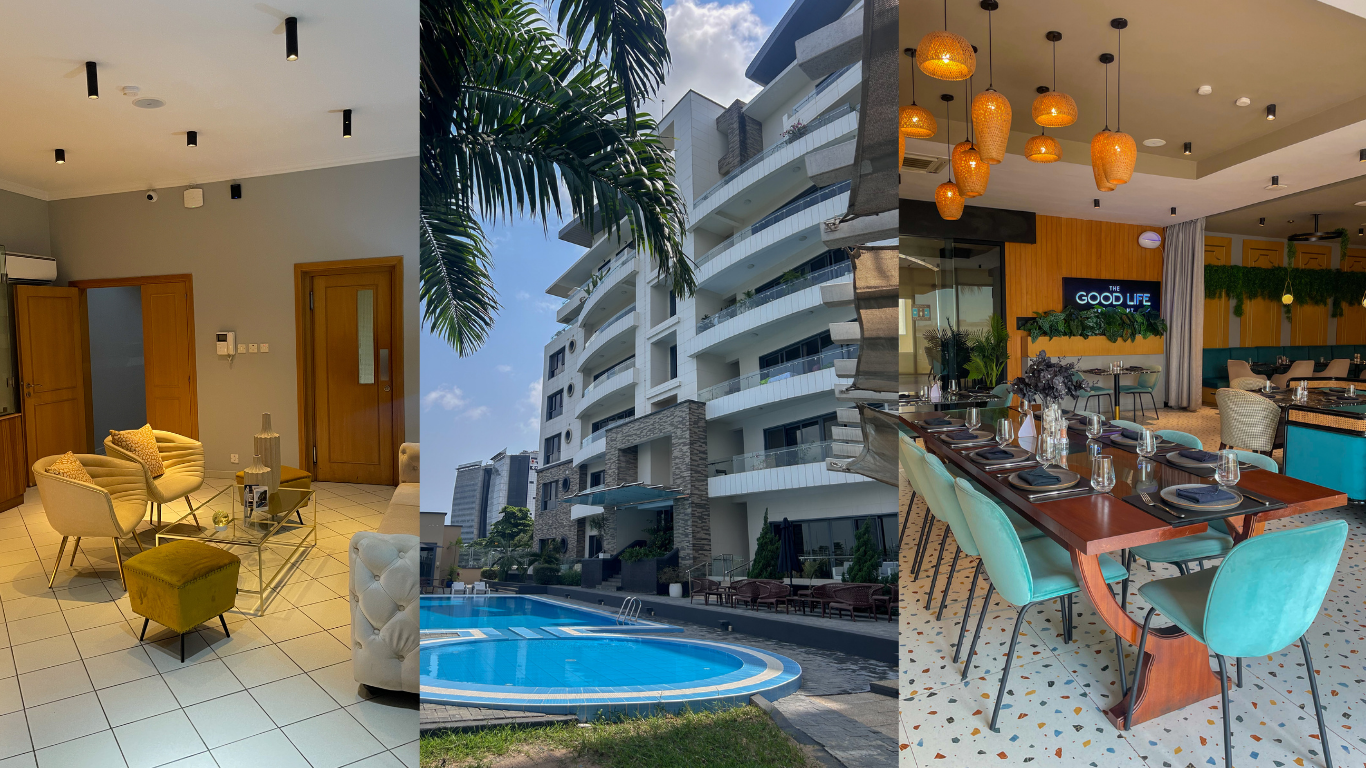
The following illustrates how quiet luxury is manifested in Lagos :
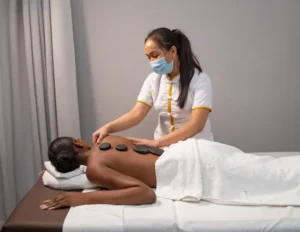
- Boutique Wellness Sanctuaries: Small, understated studios offering meditation, breath-work, massage, and mindful movement. These spaces are often tucked away in residential neighbourhoods, designed with soft light, natural materials, and intentional silence.
- Hidden Courtyard Cafés: Away from main roads, some cafes offer shaded courtyards, water features, and gentle greenery places to read, work, or meet without rush or buzz.
- Garden Retreats & Pop-Up Nature Spaces: Venture slightly beyond city centres and you find reclaimed green spaces offering weekend retreats, yoga classes at dawn, and silent walks among trees.
- Quiet Co-Working Studios: Minimalist design, soundproof rooms, curated playlists (or silence), and ergonomic workstations all crafted to enhance productivity without sensory overload.
- Coastal & Forest Escapes: Short drives from the city reveal tranquil beaches and forested retreats, where mornings begin with waves and evenings close with quietude and sunset.
These spaces have become status symbols not because they are expensive, but because they value the inner life.
Why Lagos Specifically?
Lagos is unique in both its complexities and potentials.
- A teeming population drives innovation but also creates noise, literal and metaphorical.
- A young, ambitious demographic seeks meaning as much as success.
- Economic dynamism creates pressure as well as opportunity.
- Creativity flourishes alongside hustle culture; quiet offers necessary balance.
- Urban intensity makes peace scarce and therefore precious.
In such conditions, quiet becomes a luxury not because it is difficult to afford,
but because it is difficult to find.
Luxury, Accessibility, and Inclusion
A key question in luxury discourse is: Who gets access?
Critics may argue that quiet retreats are only for the affluent. But the essence of this new luxury can and should be more inclusive. For luxury to be truly transformative, it must move beyond elitism to embrace well-being for all.
Quiet Luxury and the Future of Urban Living
As cities grow, the value of quiet will likely rise. Urban planners, designers, and cultural leaders are increasingly recognising that silence and calm are essential urban resources akin to clean water, safe streets, and public transport.
Lagos has the opportunity to lead in this redefinition by crafting its own ethos where serenity is recognised as a form of cultural capital.
Quiet Retreats as Resistance
If you live in an environment where acceleration is seen as a lifestyle, you will agree that quiet retreats located in parts of Lagos like Victoria Island and Ikoyi are more than a luxury; they are acts of resistance. They push back against overconsumption, relentless productivity, and performance-based worth.
Choosing quiet is an affirmation: our internal lives matter. Our mental spaces are sacred. Our attention is precious. This is the new language of luxury.
In Conclusion
In the megacity of Lagos, where life often feels loud and life moves fast, luxury can no longer be defined only by grand gestures and grander displays. True luxury, the kind that enriches, sustains, and transforms, is found in quiet retreats. This shift signals a profound change in how we value life. It suggests that luxury is not what others see but what we feel. It is not how we display ourselves, it is how we experience ourselves. It is not what we possess, it is how we return to ourselves.
In a world clamouring for attention, quiet is the rarest gift we can give ourselves. In Lagos, a city of dazzling energy and complex rhythms, gift has become the new language of luxury.